Home>Community and Outreach>New Testament Christian Churches of America: Heartwarming Stories from the Field and Inspiring Missionary Work
Community and Outreach
New Testament Christian Churches of America: Heartwarming Stories from the Field and Inspiring Missionary Work
Published: June 8, 2026
Discover inspiring missionary stories from New Testament Christian Churches of America, bringing hope, healing, education, and faith.
(Many of the links in this article redirect to a specific reviewed product. Your purchase of these products through affiliate links helps to generate commission for Christian.net, at no extra cost. Learn more)
While headlines often focus on larger events, New Testament Christian Churches of America says it’s the personal accounts that reveal the steady presence of people committed to walking alongside others through challenges. Whether it’s through medical care, education, music, or mentorship, the essence lies in forming relationships built on trust, respect, and shared humanity. Across borders and cultural divides, the work of missionaries often starts with listening and ends with empowerment. Each contribution, no matter how small, holds the potential to plant seeds of hope that flourish.
Health and Healing in Overlooked Communities
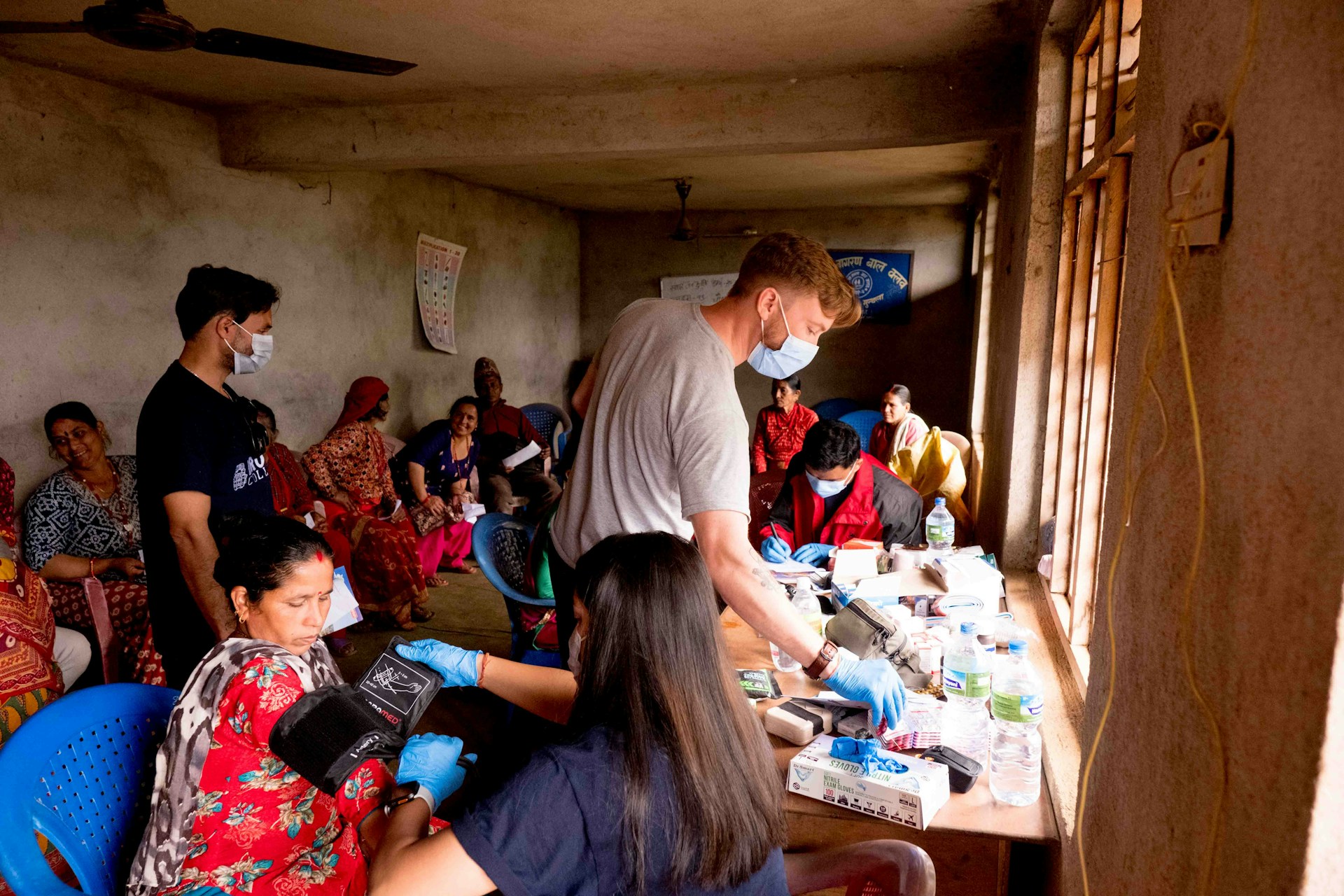
In a small village where medical care was hours away, a small missionary-run clinic became a lifeline. Locals began walking long distances not just for treatment, but for reassurance. The care offered wasn’t only material—it brought peace of mind to families who had long struggled without access to basic services.
In another region, a clean water project transformed daily routines. Before the well was dug, families relied on polluted streams, often leading to illness. With clean water flowing, children missed fewer school days, and mothers could spend less time fetching water and more time supporting their households. These changes, though rooted in simple solutions, reshaped the rhythm of community life.
Building Trust Through Education
One missionary arrived in a town with little more than a backpack and a desire to teach. She began by reading with a few children under a tree. Over time, more joined. Eventually, a one-room library grew into a modest schoolhouse, run today by local teachers who were once her students.
Education has a way of breaking down barriers. In another setting, a missionary worked patiently with families who were skeptical of outsiders. Through consistent lessons and shared meals, trust was built. Children began to thrive, and parents saw new possibilities for their futures. What started as a few lessons became a foundation for generational change.
Emotional and Spiritual Support in Difficult Times
When a flood swept through an entire village, families were left without homes or answers. Missionaries didn’t arrive with quick fixes but with open hands and listening hearts. They helped rebuild not just homes but a sense of belonging. Meals were shared under temporary shelters, prayers whispered beside the ruins, and slowly, hope returned.
In a hospice room, a missionary sat beside a man in his final days. His family lived far away, and he had no one else. Through shared conversation and gentle presence, his passing became less lonely. Sometimes, the greatest gift is simply showing up when others cannot.
Connecting Through Culture and Music
In a bustling town square, the sound of a guitar drew curious listeners. A missionary had learned local songs and paired them with his own melodies. Before long, music nights became a regular gathering, where laughter replaced suspicion. People from different backgrounds found common ground in rhythms and lyrics that spoke to all.
Music allowed conversations to begin where words alone might have failed. In one village, traditional dances were woven into community celebrations alongside hymns sung in the local dialect. What started as performance became partnership, a celebration of faith and culture moving together.
Empowering Local Leadership
A young man who once translated for visiting missionaries now leads his own outreach team. Years of mentorship, study, and shared experience prepared him to take the reins. He speaks the language—not just linguistically, but culturally—and his leadership reflects the heartbeat of his people.
Change rooted in local hands lasts longer. In several communities, missionaries have stepped back while local leaders now manage schools, clinics, and spiritual gatherings. What started as support has grown into self-sufficiency, and the ripple effect continues through generations. Their pride in leading change is evident in every step forward.