Home>Arts and Culture>Christian Traditions of Remembrance: Faith, Family, and the Meaning of Custom Grave Markers
Arts and Culture
Christian Traditions of Remembrance: Faith, Family, and the Meaning of Custom Grave Markers
Published: January 15, 2026
Christian remembrance blends faith, family, and tradition, showing how custom grave markers express hope, memory, and belief in eternal life.
(Many of the links in this article redirect to a specific reviewed product. Your purchase of these products through affiliate links helps to generate commission for Christian.net, at no extra cost. Learn more)
Memory as a Christian practice
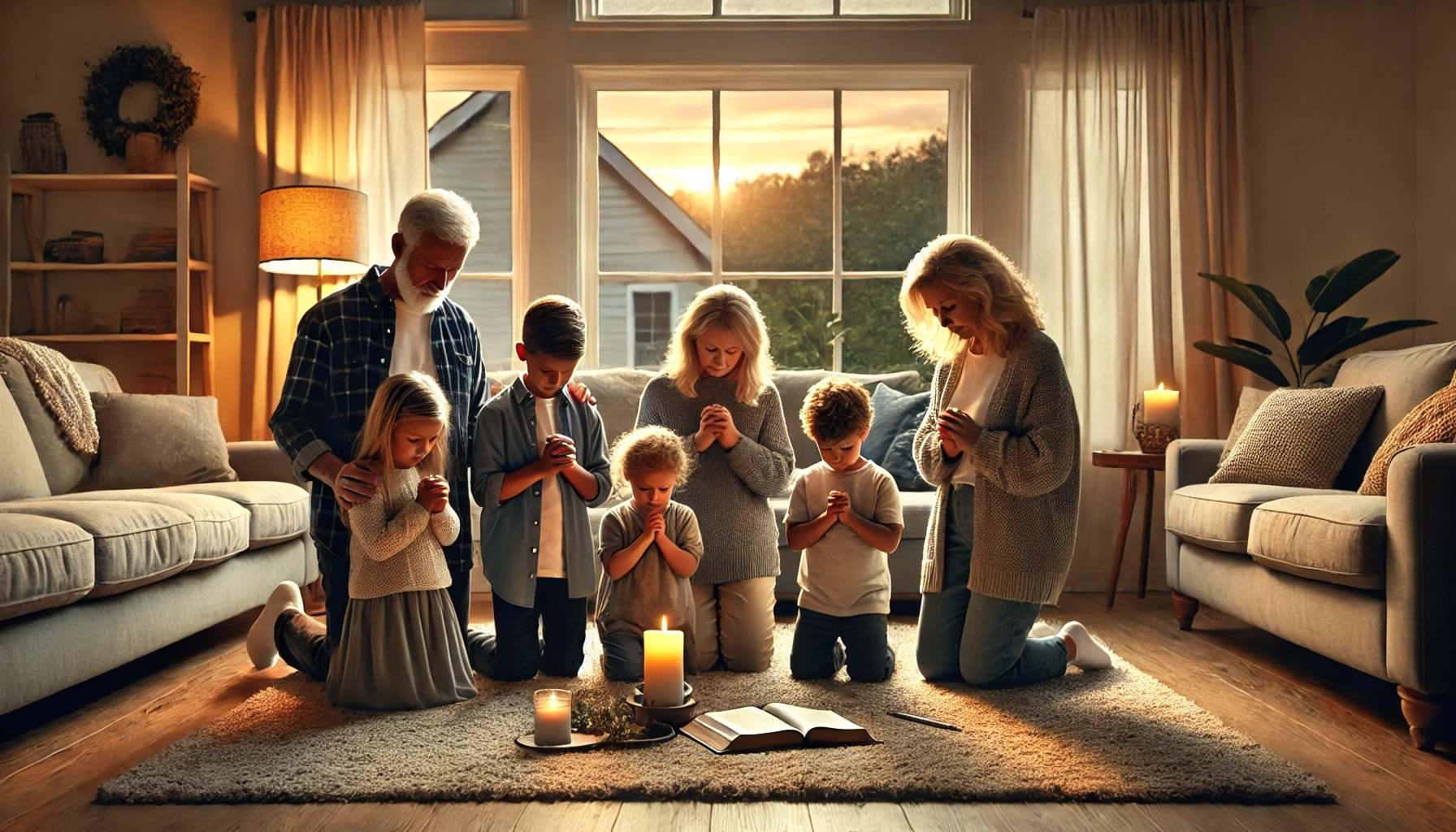
Christians have always valued remembrance. Honoring those who have passed reflects both faith and love. Families gather to recall stories, share prayers, and keep alive the legacy of their loved ones. This practice strengthens community and deepens spiritual bonds.
Remembrance is not only emotional. It is also symbolic. The Bible often speaks of memorials and stones as signs of covenant and faith. These symbols remind believers of God’s promises and of the lives that shaped their journey.
The role of memorials
Memorials help families express their devotion. They provide a place to reflect, pray, and connect with the past. A grave marker becomes more than stone. It becomes a testimony of faith and a witness to hope in eternal life.
Modern families seek ways to personalize this testimony. Custom grave markers allow them to design memorials that reflect both Christian values and individual stories. These markers carry crosses, scripture verses, or symbols of resurrection. Each design speaks directly to the heart.
Faith expressed in design
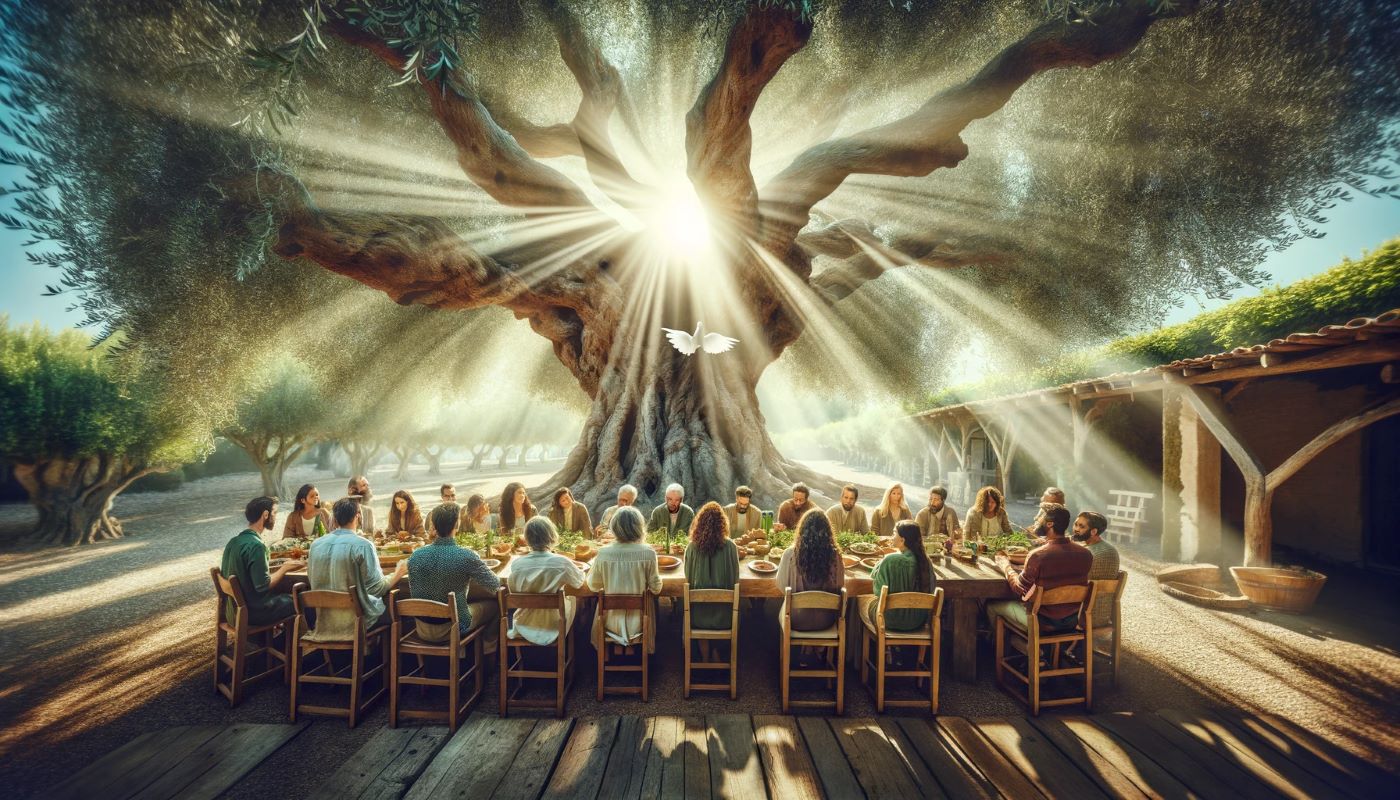
Christian tradition embraces symbols that communicate belief. The cross reminds us of salvation. The dove represents peace and the Holy Spirit. Scripture engraved on a marker offers comfort to those who visit.
Families choose designs that reflect their loved one’s faith journey. Some select verses that guided daily life. Others highlight hymns or prayers that brought strength. Each choice creates a lasting witness of devotion.
Community and remembrance
Memorials also serve the wider community. Cemeteries become places of collective memory. Visitors see markers that tell stories of faith and perseverance. These stories inspire others and remind them of the hope Christians share.
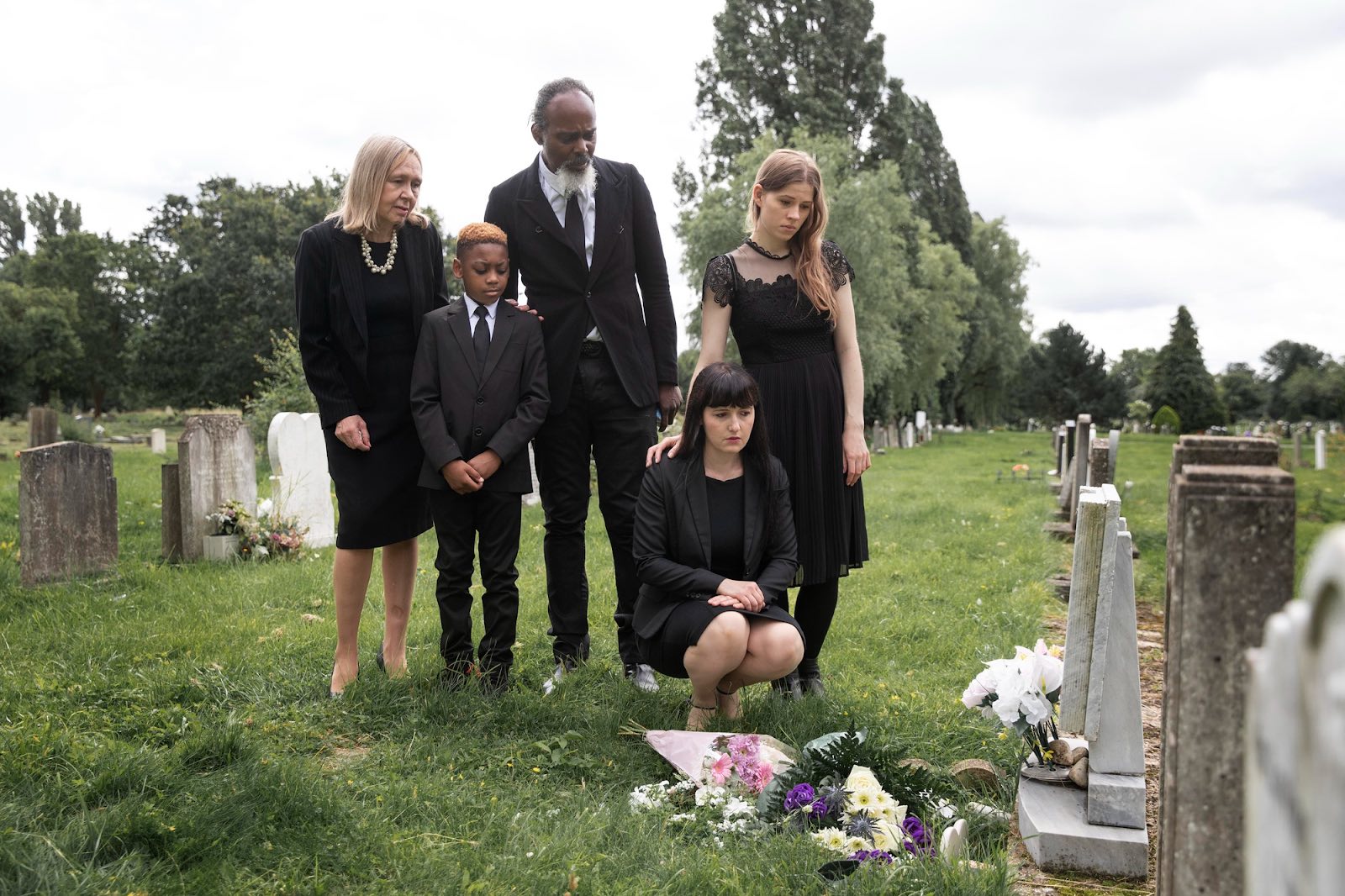
In many cultures, families gather at gravesites during special days. They pray, sing, and celebrate the lives of those who came before. Grave markers guide these gatherings. They provide a focal point for reflection and unity.
Active remembrance in daily life
Christians practice remembrance not only at cemeteries. They keep photographs, write journals, and share testimonies in church. These acts continue the legacy of those who passed. They also encourage younger generations to value faith and family.
Custom markers extend this practice. They stand as permanent reminders of values and commitments. They encourage visitors to reflect on their own journey and to strengthen their trust in God.
Biblical foundations
Scripture highlights the importance of memory. In Joshua 4, stones were placed to remind Israel of God’s deliverance (read the full passage on Bible Gateway). In the New Testament, Jesus instituted communion as a way to remember His sacrifice. These examples show that remembrance is central to Christian life.
Grave markers follow this tradition. They serve as stones of testimony. They remind families of God’s faithfulness and of the hope of resurrection.
Transition to modern practices
Today, technology and craftsmanship allow families to create highly personalized memorials. They can choose materials, shapes, and inscriptions that reflect both tradition and individuality. This personalization does not replace faith. It enhances it.
Custom markers connect past and present. They show how Christian values remain strong while adapting to new forms of expression.
Comfort for families
Grief often feels overwhelming. A meaningful marker offers comfort. It provides a place to visit, pray, and feel close to the loved one. It also reassures families that their testimony of faith will endure.
Markers remind believers that death is not the end. They point to the promise of eternal life. They encourage hope and strengthen trust in God’s plan. For deeper insight into eternal life traditions, see the Vatican’s Instruction Ad resurgendum cum Christo.
Passing on the legacy
Christian families see memorials as part of their heritage. Children and grandchildren learn about their ancestors through these markers. They read inscriptions and discover stories of faith. This process builds identity and continuity.
Custom markers make these lessons vivid. They highlight values, commitments, and beliefs that shaped a family. They ensure that future generations remember not only names but also testimonies.
Broader cultural meaning
Remembrance also carries cultural significance. Communities use memorials to preserve collective identity. Churches often maintain cemeteries that reflect centuries of faith. These spaces remind believers of their shared journey.
Markers become part of local history. They tell stories of pastors, teachers, and families who shaped the community. They connect present generations with those who built the foundations of faith.
The role of rituals
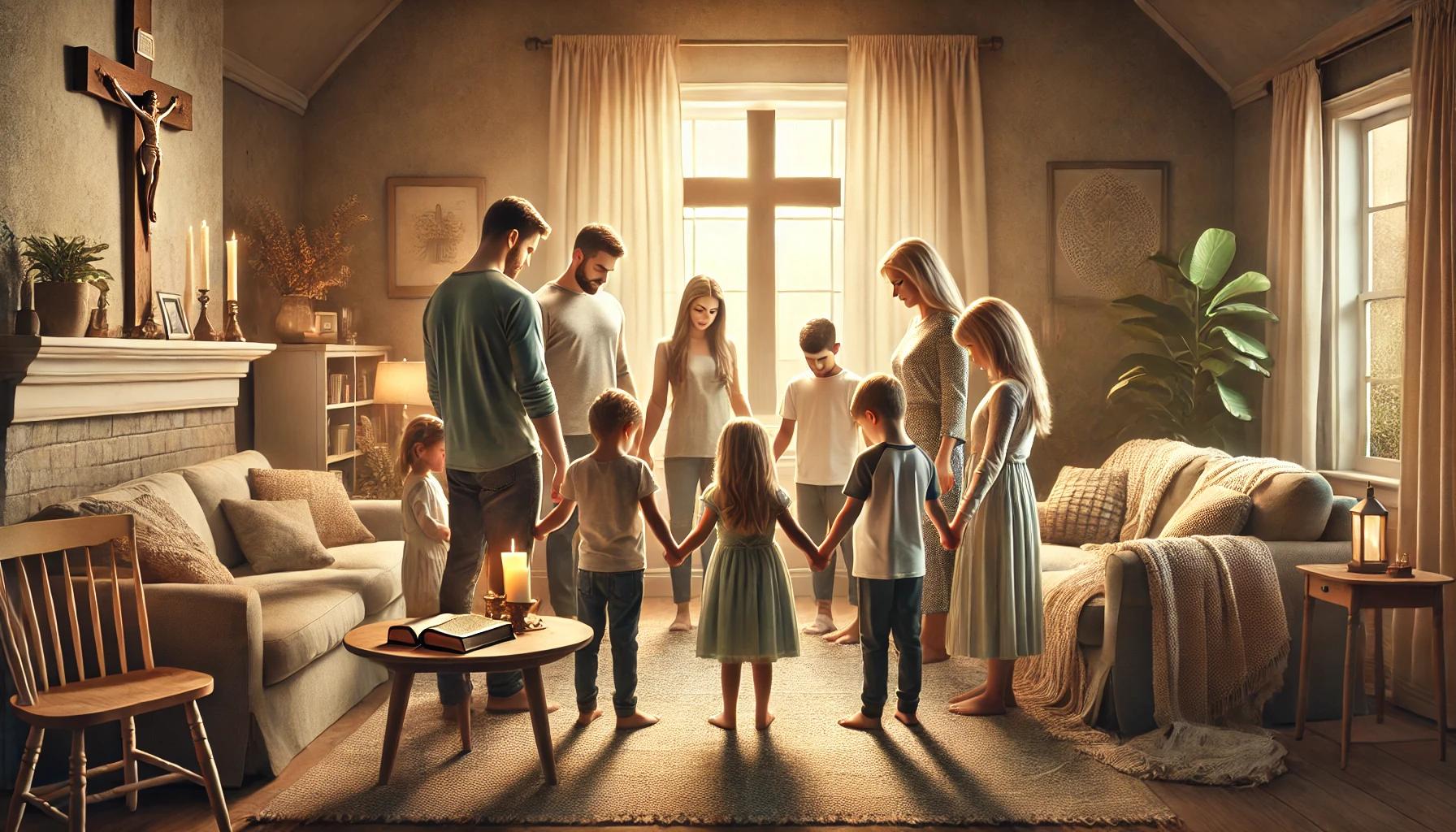
Christian remembrance includes rituals that strengthen faith. Lighting candles, singing hymns, and reading scripture at gravesites are common practices. These rituals bring comfort and reinforce hope.
Custom markers support these rituals. They provide inscriptions that guide prayer. They display symbols that inspire worship. They create sacred spaces where families can gather and renew their trust in God.
Global perspective
Christian communities worldwide share similar traditions. In Europe, families decorate graves with flowers during All Saints’ Day. In Africa, memorial services include music and dance. In Latin America, remembrance blends faith with cultural celebrations.
Custom markers adapt to these diverse traditions. They allow families to express faith in ways that reflect local culture. They unify global Christianity through shared values of memory and hope.
The importance of storytelling
Remembrance also thrives through storytelling. Families pass down narratives about ancestors, their faith, and their struggles. Grave markers often serve as prompts for these stories. A name, a verse, or a symbol can spark conversations that keep memory alive.
Storytelling ensures that remembrance remains active. It transforms markers from silent stones into living testimonies. It allows faith to travel across generations and cultures.
Education and remembrance
Churches and schools often use memorials as teaching tools. Children learn about faith through the stories engraved on markers. They see how past generations lived with devotion and courage. These lessons inspire them to follow the same path.
Custom markers strengthen this educational role. They highlight scripture, values, and testimonies that guide future believers. They ensure that remembrance is not passive but formative.
Conclusion
Christian remembrance is active, symbolic, and deeply rooted in faith. Families honor their loved ones through prayer, community, and memorials. Grave markers stand as visible testimonies of hope and devotion.
Custom grave markers allow families to personalize this testimony. They integrate scripture, symbols, and design into a lasting witness. They connect tradition with modern expression. They comfort families and inspire communities.
In the end, remembrance reflects the Christian belief in eternal life. It strengthens families, unites communities, and proclaims faith across generations.